
A PBS® Special with Michael Londra
Samhain: The Birth of Halloween
Halloween began in Ireland. Join Irish tenor Michael Londra as he travels from ancient burial mounds and haunted castles to festival bonfires and the family kitchen, in search of where it all started.
From the Special
Inside the Episode
Featured in the Special
Meet the People & Places
Everyone Michael met along the way. Visit, book a stay, or say hello.
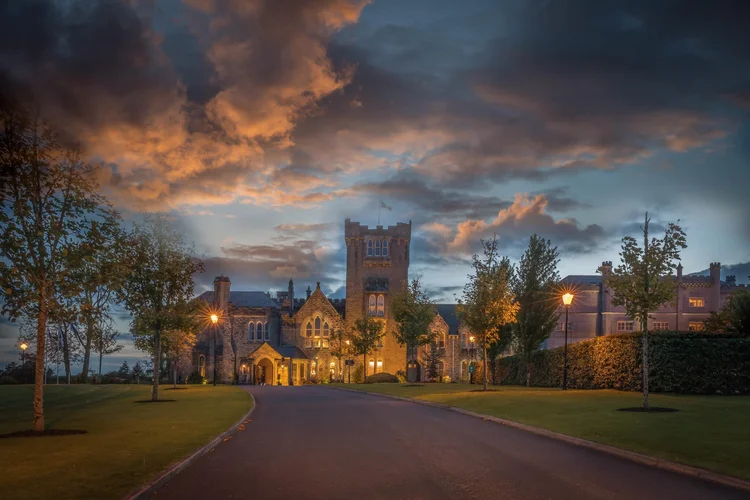 Kilronan CastleVisit →
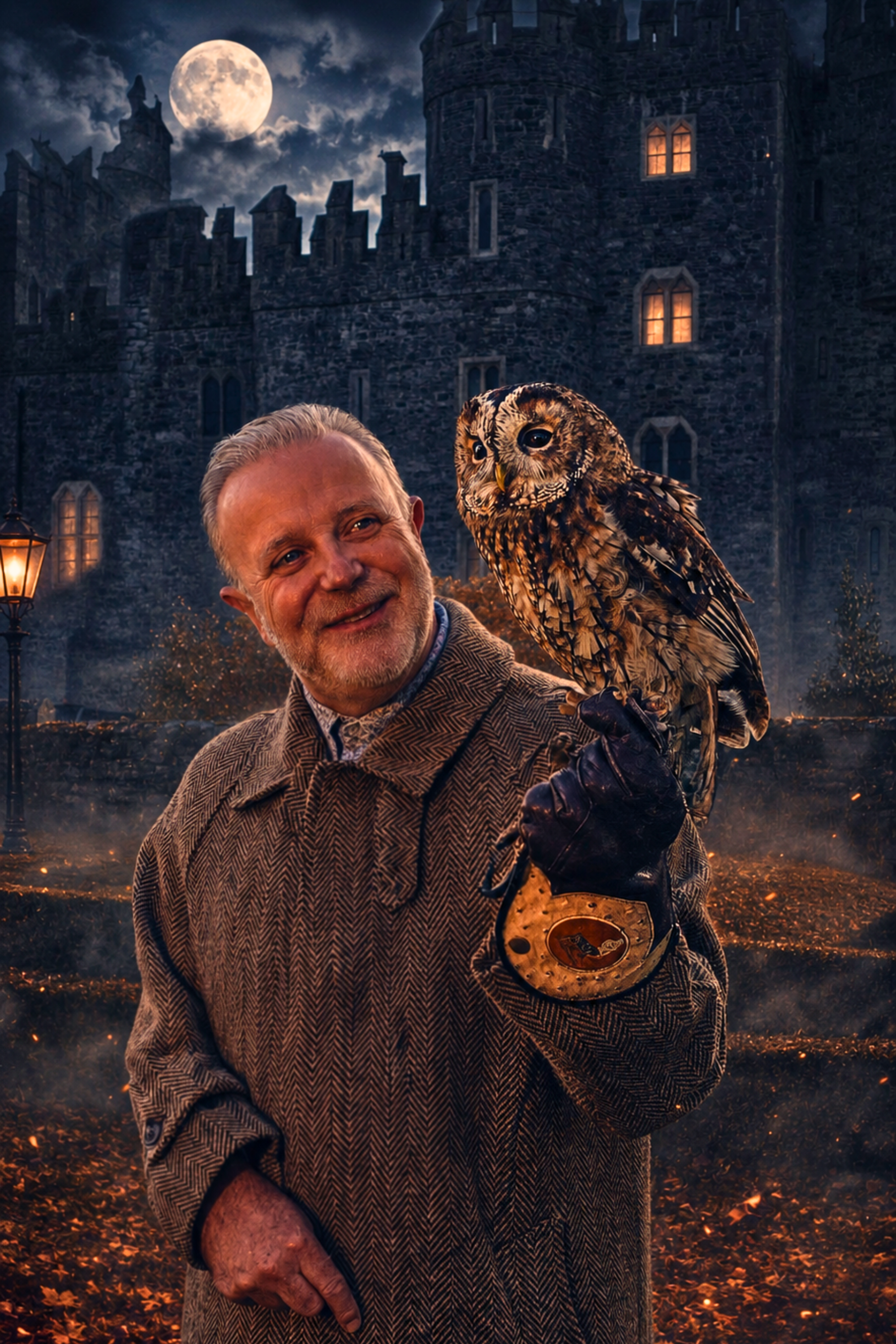
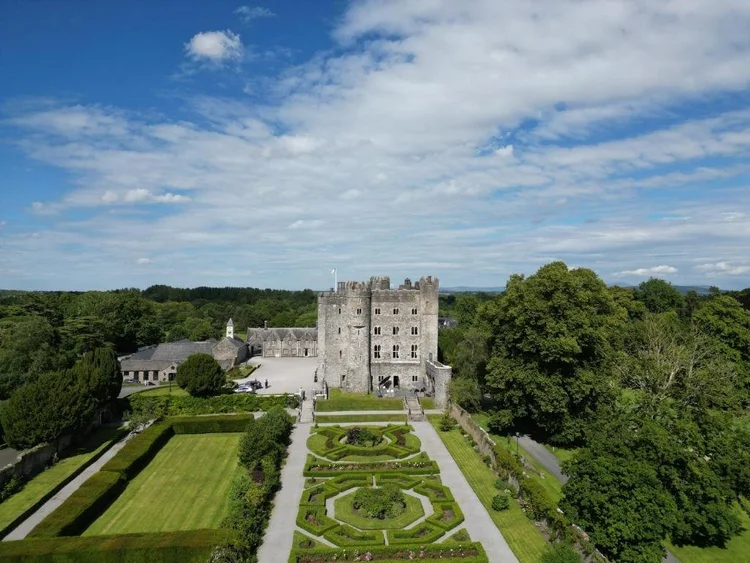 Kilkea CastleVisit →
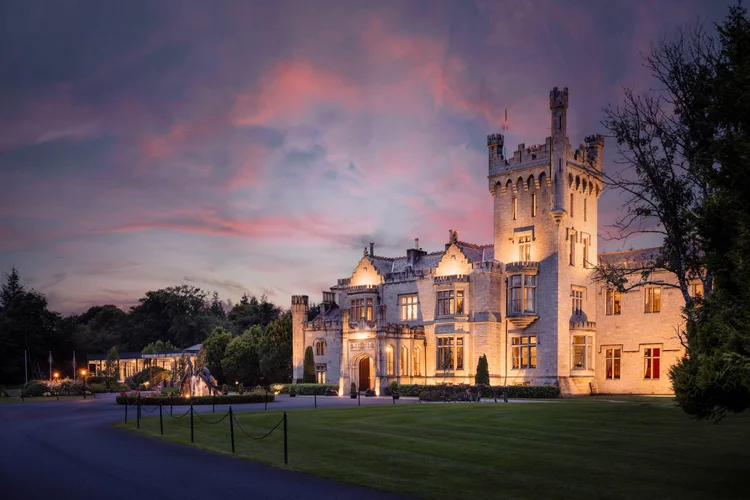 Lough Eske CastleVisit →
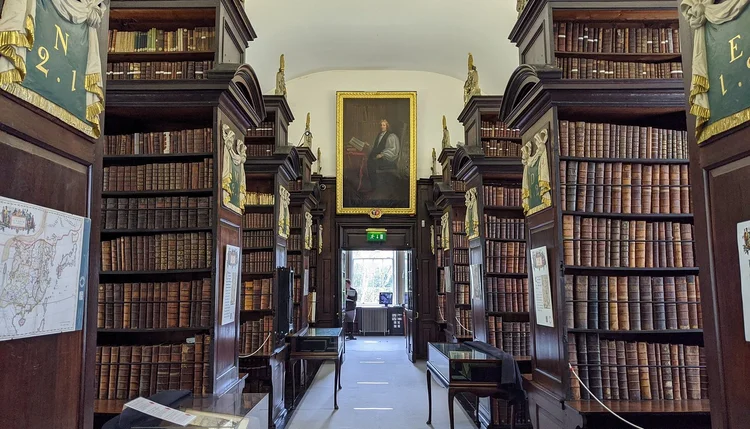 Marsh's LibraryVisit →
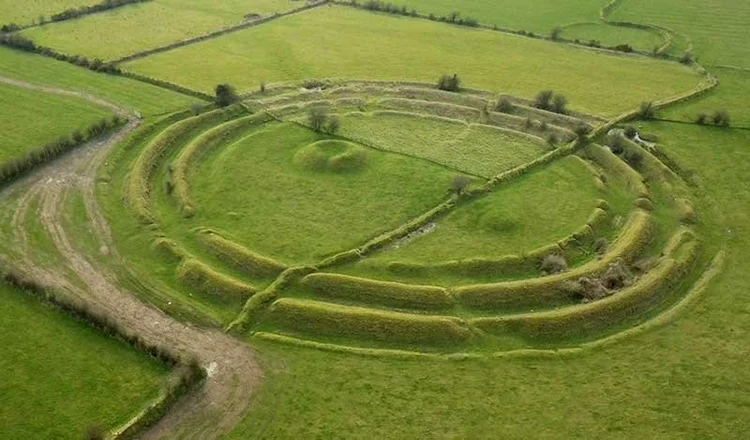 Rathcroghan Visitor CentreVisit →
 EPIC The Irish Emigration MuseumVisit →
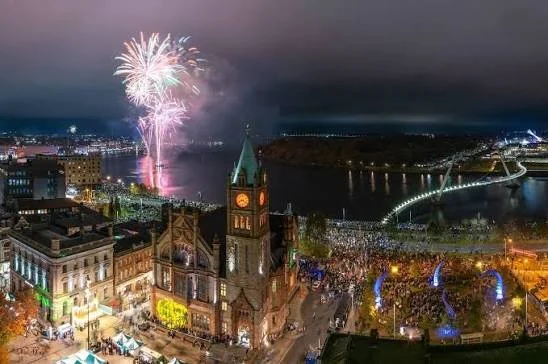 Derry Halloween FestivalVisit →
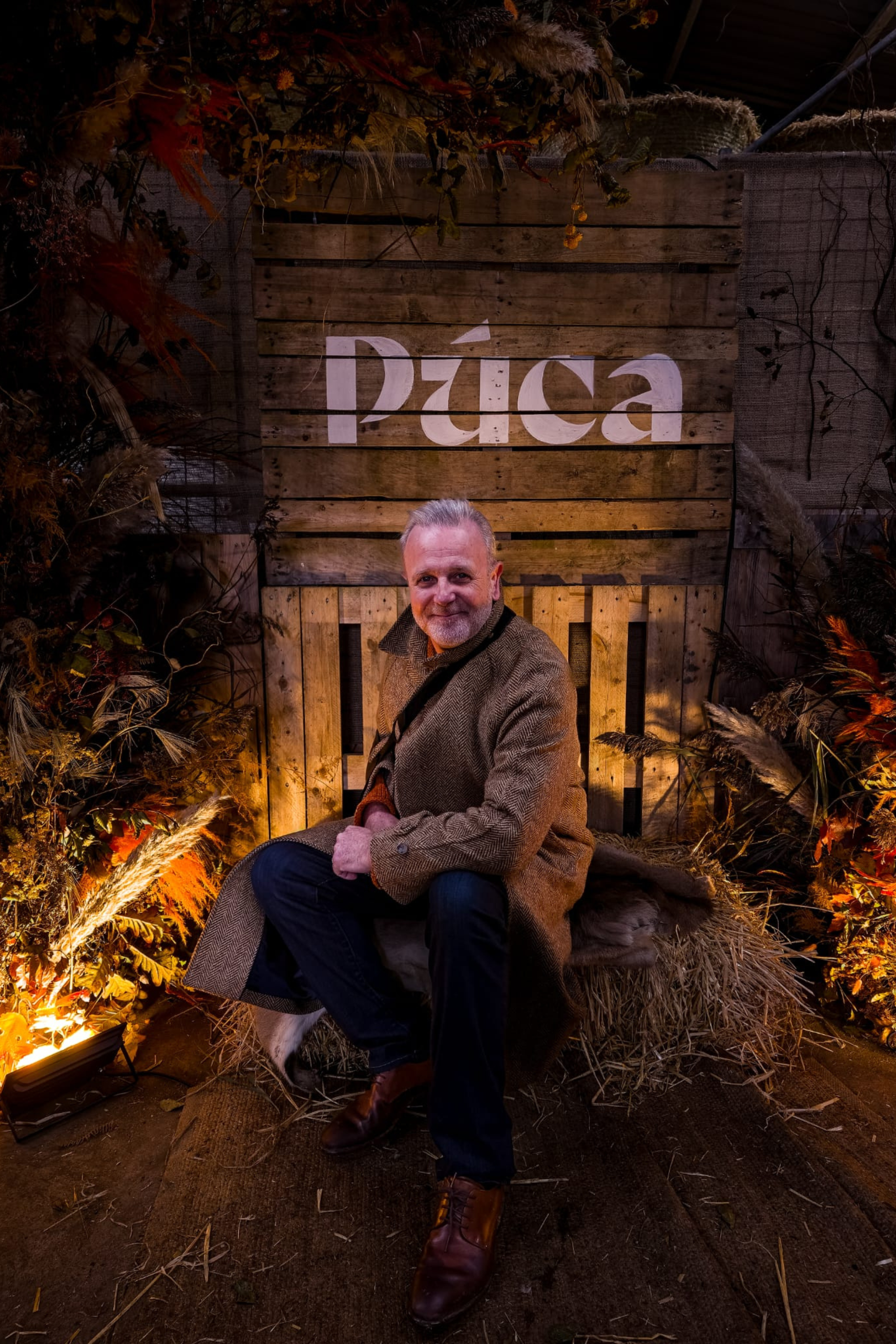
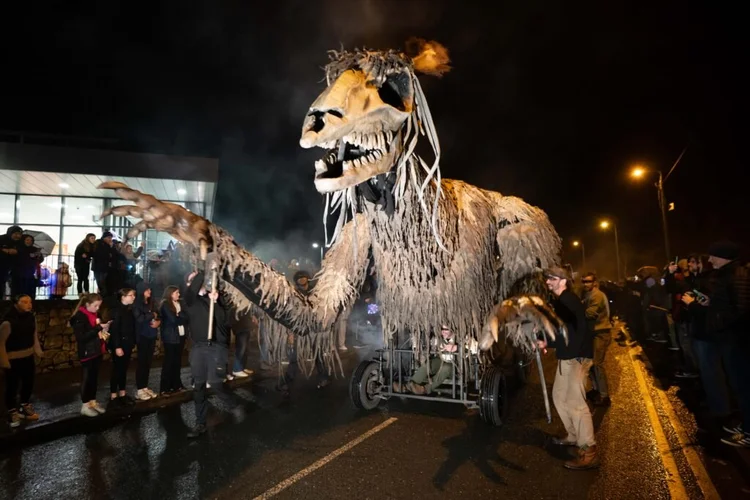 Púca FestivalVisit →
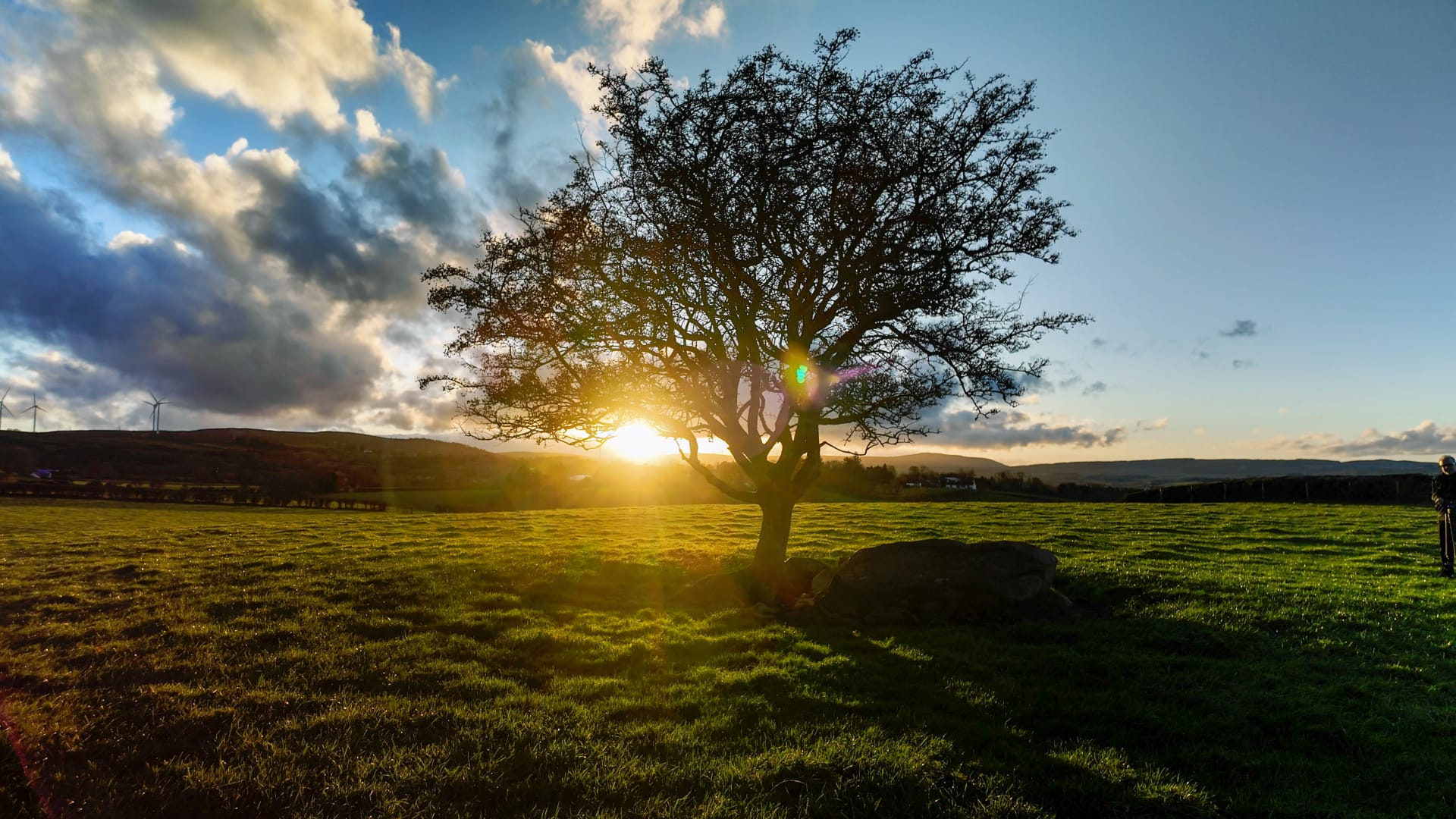
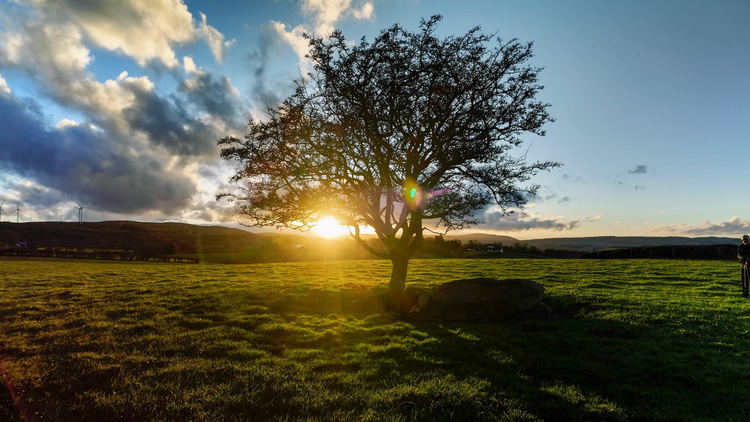 Tomb of the AbhartachRead the legend →
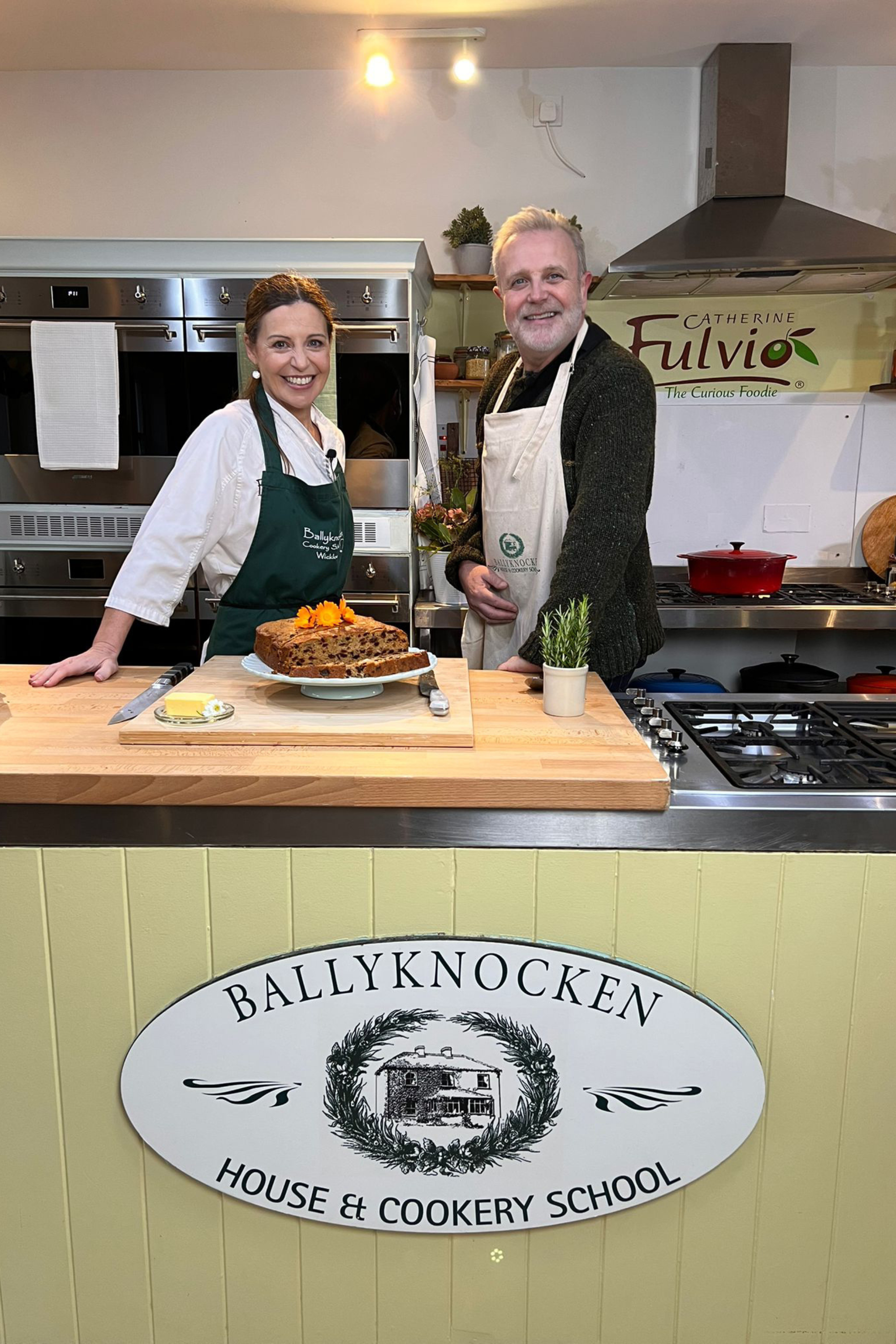
 Catherine FulvioVisit →
 Siobhán de PaorVisit →
 Madeleine McCullyConnect →
 Shauna Mullin


A Personal Note
When Halloween Came to Ireland
There is a particular kind of darkness that comes to Ireland at the end of October. It settles early, creeping up the streets while you are still finishing your tea, turning familiar lanes into places you would rather not walk alone. The wind rattles a gate. Somewhere, a dog starts barking. And if you are a child with a head full of ghost stories, that is quite enough to get your imagination going.
When I think of an Irish childhood Halloween, I think of that delicious feeling: being frightened, but wanting more. Wanting someone to tell another story. Wanting to go outside, then wanting very much to come back in.
I think of Wexford streets shining after rain, kitchen windows glowing, and children gathering at doors in costumes assembled from whatever could be found around the house. There were no elaborate instructions. An old sheet could make a ghost, provided its owner had agreed to the holes. A coat several sizes too big could transform you into someone mysterious. A little soot, a borrowed hat, and you were ready for the night.
Getting dressed was half the excitement. Getting recognised immediately by every neighbour rather spoiled the effect.
“Is that yourself under there?”
You could have spent the afternoon becoming the most terrifying creature in the county, and somebody would still identify you by your shoes. There was very little anonymity in an Irish neighbourhood. Everyone knew your family, where you lived, and probably whether you had finished your homework. Even the ghosts belonged to somebody.
But Halloween gave us permission to be different for a few hours. The quiet child could become a roaring monster. The smallest could threaten the tallest. We stepped out into the evening feeling that ordinary rules had loosened, and that something extraordinary might happen before bedtime.
The house itself seemed to change. A kitchen that felt perfectly sensible in daylight became a place of shadows and secrets once the curtains were drawn. Wet coats hung near the door. Apples waited in a bowl. There might be nuts on the table, sweets being carefully rationed, and a barmbrack whose importance far exceeded its size.
You watched every slice as it was cut. Somewhere inside that bread was a future, and naturally you wanted to know whether it was yours.
The ring was the great prize. Find it, and marriage lay ahead, according to the solemn experts gathered around the table. To a child, this was both thrilling and faintly alarming. Marriage seemed a tremendous consequence for eating a piece of fruit bread. You had only come in looking for something sweet.
Different households had their own interpretations and their own treasures hidden in the brack. The grown-ups enjoyed explaining them, especially if the explanation caused embarrassment. Someone would find the ring, someone else would mention a possible sweetheart, and suddenly the entire kitchen had an opinion.
For all the talk of fortune, it was the waiting that mattered. Taking small bites. Examining the crumbs. Watching a brother or sister with suspicion in case they had discovered something and kept it quiet.
There was always one person who claimed to know where the ring was before the cutting began. There was always another who insisted the whole business was nonsense, then leaned forward eagerly when the next slice appeared.
An Irish family can be wonderfully sceptical about superstition while remaining determined to get its fair share of luck.
Then came the apples.
A basin of water was placed where everyone could gather around it, and the apples floated with an innocence they did not deserve. The task looked simple. Get an apple out with your teeth. No hands. Surely any reasonably capable child could manage that.
Within seconds, you discovered otherwise.
The apple rolled away. Your nose went under. Water ran down your neck. Behind you, the audience offered advice of absolutely no practical value. Someone laughed so hard they nearly fell over. When you finally emerged, soaked and triumphant, with an apple clenched between your teeth, you felt you had accomplished something worthy of a medal.
Another apple might hang from a string, turning just as you tried to bite it. Again, the simplest object in the world became your enemy. You lunged. It swung. Your teeth met empty air. The spectators were delighted.
Looking back, I suspect the adults enjoyed these games even more than we did. They had spent the day getting things ready, and now they could sit back and watch children enthusiastically humiliate themselves for a piece of fruit. It was excellent entertainment, and very reasonably priced.
Outside, the evening belonged to the neighbourhood.
We travelled in little groups, carrying our excitement from one doorstep to the next. A door would open, bringing a rectangle of light onto the pavement. There would be a moment of inspection, some laughter, perhaps a request for a song or a rhyme. Then something would be dropped into a bag, and away we went.
Every house had its own character. Some welcomed you as if they had been waiting all day. Others made you perform properly before producing anything. A neighbour might pretend to be frightened, which we appreciated enormously. It was gratifying to feel that your costume had achieved something beyond making you uncomfortable.
And somebody always wanted to know if you were warm enough.
That was the reassuring thing about those nights. We were playing at danger within a world of people who knew us. Behind the masks and the noise was a web of familiar voices. A warning to mind the road. A reminder to get home soon. A call after you because you had forgotten your hat.
The night seemed wild, but there were eyes keeping watch.
Of course, the stories made it wilder.
Irish ghost stories rarely needed much decoration. A road you knew. A house you had passed. A person whose name sounded just familiar enough. That was all it took. The storyteller would lower their voice, and the room would grow still.
“This happened to a man your grandfather knew.”
Well, that settled it. You could hardly argue with evidence of that quality.
There might be footsteps where nobody was walking, a light in an empty house, or a stranger encountered on a lonely road. Sometimes the story was told with great seriousness. Sometimes you suspected you were being teased. The difficulty was that both versions sounded remarkably convincing once it was dark.
And then there was the banshee.
Even her name seemed to change the atmosphere. The thought of a woman’s cry carried on the wind could make you listen differently to every sound outside. A branch scraped a window and you stopped chewing. A gust came down the chimney and you glanced towards the door.
Nobody had to show you anything. Your imagination supplied the whole production.
I think that is one reason Halloween suited Ireland so well. We have always understood the power of a story told aloud. The pause before the important sentence. The detail offered almost casually. The glance towards the window that makes everybody else turn too.
A good storyteller could frighten a kitchen full of children without ever leaving their chair.
Yet laughter was never far away. Someone would interrupt at the wrong moment. Someone would make a ridiculous noise. A younger child would ask a question so practical that the ghost lost all authority. The spell broke, and the room became a kitchen again, full of crumbs and damp sleeves.
Still, you remembered the story later.
Going upstairs alone required considerable courage. A coat hanging on a door could acquire a personality. The space beneath the bed deserved inspection. You might decide, for reasons entirely unrelated to fear, that the landing light should remain on.
By morning, everything had returned to normal. The terrifying coat was simply a coat. The mysterious sound had an explanation. Your costume lay abandoned, looking less like a supernatural being than a small pile of laundry.
There was school to consider, and somebody wanted the borrowed hat back.
What stays with me is how much we made from so little. A basin, a few apples, an old sheet, a loaf of brack, and stories passed around a warm room. The excitement came from being together, from anticipation, from the pleasure of seeing familiar people join in the game.
As I travel around Ireland, I often find that same pleasure in the telling. Ask someone about Halloween when they were young, and their face changes. They remember a particular kitchen, a neighbour, a prank, a person whose voice could silence a room. The memories arrive with laughter, then sometimes with a little sadness for those who are gone.
For me, that is where the heart of Halloween lives: in the voices we still hear, the doors we remember opening, and the warmth waiting when we came home. Outside, the wind could howl and the darkness could hold whatever our imaginations put there. Inside, there was another slice of brack, another story, and someone telling us to sit closer to the fire.
Travel with Michael
Sleep in a Castle from the Special
Spend a night at Kilronan Castle and walk the old walls of Derry on Michael's 2027 Northern Ireland & Donegal tour, a small-group journey for American travelers.
See the 2027 Tours →